The Magnificent Universe of Nebulae: Cosmic Clouds Where Stars Are Born and Die
 admin
admin
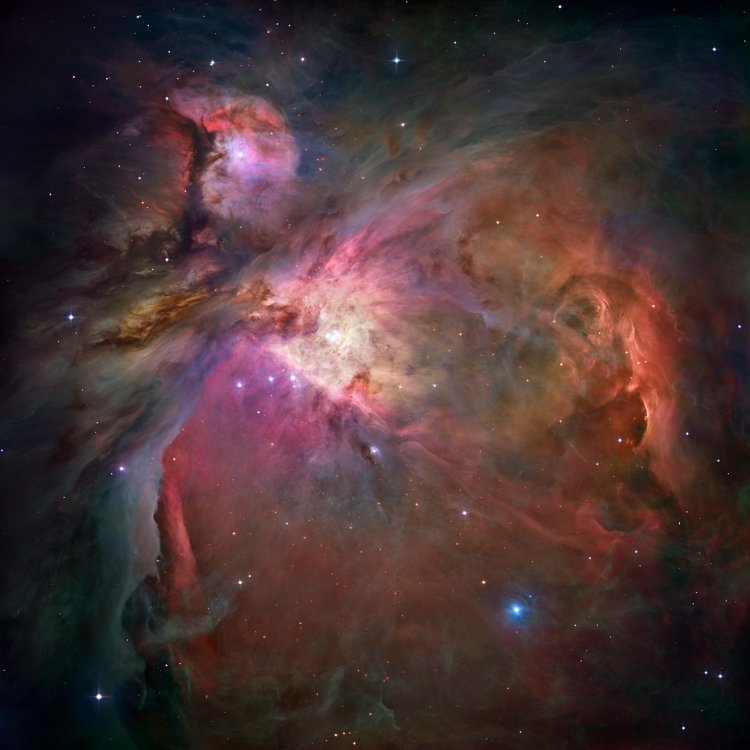
Vast clouds of gas and dust stretching across hundreds of light-years, glowing with ethereal colors that seem almost too beautiful to be real. These are nebulae – some of the most spectacular and scientifically important objects in our universe. From the stellar nurseries where new suns are born to the ghostly remnants of dying stars, nebulae tell the complete story of cosmic evolution in the most visually stunning way possible.
What Exactly Are Nebulae?
A nebula (the plural is "nebulae") is essentially a giant cloud of dust and gas floating in the vast emptiness between stars. The name comes from the Latin word meaning "cloud, fog, or mist," which perfectly captures their ethereal appearance. But don't let their delicate appearance fool you – these cosmic clouds can contain enough material to create hundreds of thousands of stars.
To put their scale into perspective, imagine something so enormous that even traveling at the speed of light, it would take you several years just to cross from one side to the other. The closest known nebula to Earth, the Helix Nebula, is approximately 700 light-years away – meaning the light we see from it today actually left the nebula when the Renaissance was just beginning.
The Four Types of Cosmic Clouds
These are the rock stars of the nebula world – literally glowing with their own light. Emission nebulae shine because nearby hot, young stars blast them with intense ultraviolet radiation, causing the hydrogen gas to ionize and emit that characteristic red glow we see in photographs.
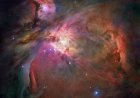
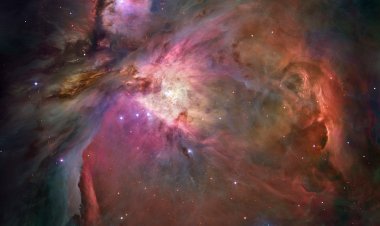
The most famous example is the spectacular Orion Nebula, visible to the naked eye as the middle "star" in Orion's sword. This cosmic maternity ward is actively creating new stars, with hundreds of baby suns hidden within its glowing embrace. What makes emission nebulae particularly fascinating is that they're essentially stellar recycling centers – the gas and dust that forms new stars often comes from the remains of previous generations of stars.
Reflection Nebulae: The Cosmic Mirrors
Unlike their flashy emission cousins, reflection nebulae don't produce their own light. Instead, they're like cosmic mirrors, reflecting the light of nearby stars. This reflected light appears predominantly blue – the same reason Earth's sky looks blue – because tiny dust particles scatter blue light more efficiently than red light.
These nebulae often appear alongside emission nebulae, creating stunning multicolored tapestries in space. The famous Trifid Nebula beautifully demonstrates this, combining red emission regions with blue reflection areas in a single cosmic masterpiece.
Dark Nebulae: The Cosmic Silhouettes
Dark nebulae are perhaps the most mysterious of all. These dense clouds of gas and dust appear as dark patches against brighter backgrounds, blocking the light from stars and nebulae behind them. The iconic Horsehead Nebula is the perfect example – its distinctive horse-head shape is actually a dense cloud silhouetted against a bright background nebula.
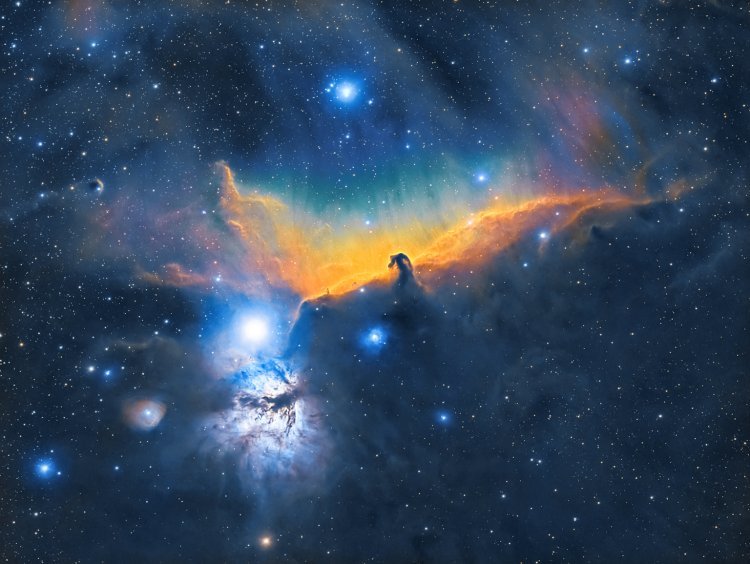
(The Horsehead Nebula, a dark nebula with a distinctive horse-head silhouette, glowing amidst colorful cosmic gas and stars.)
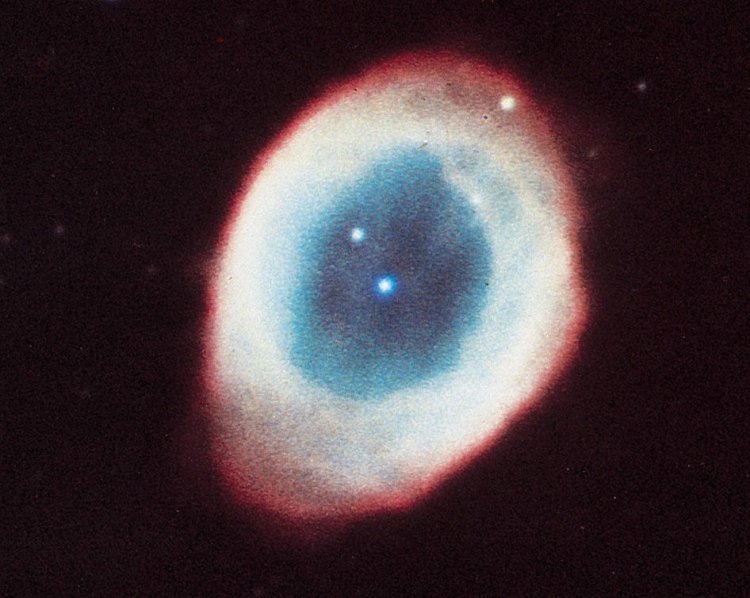
Despite their name, planetary nebulae have absolutely nothing to do with planets. British astronomer William Herschel gave them this misleading name in the 1780s because through early telescopes, their round, planet-like appearance confused him.
These are actually the beautiful death shrouds of dying stars – specifically, stars similar to our Sun. When such stars reach the end of their lives, they gently puff off their outer layers, creating expanding shells of ionized gas that glow in spectacular colors. The Ring Nebula in the constellation Lyra is a perfect example, looking like a cosmic smoke ring floating in space
The Eagle Nebula: A Star Factory in Action
One of the most photographed and studied nebulae is the Eagle Nebula, home to the famous "Pillars of Creation". These towering spires of gas and dust stretch for light-years, and they're literally star factories in action.
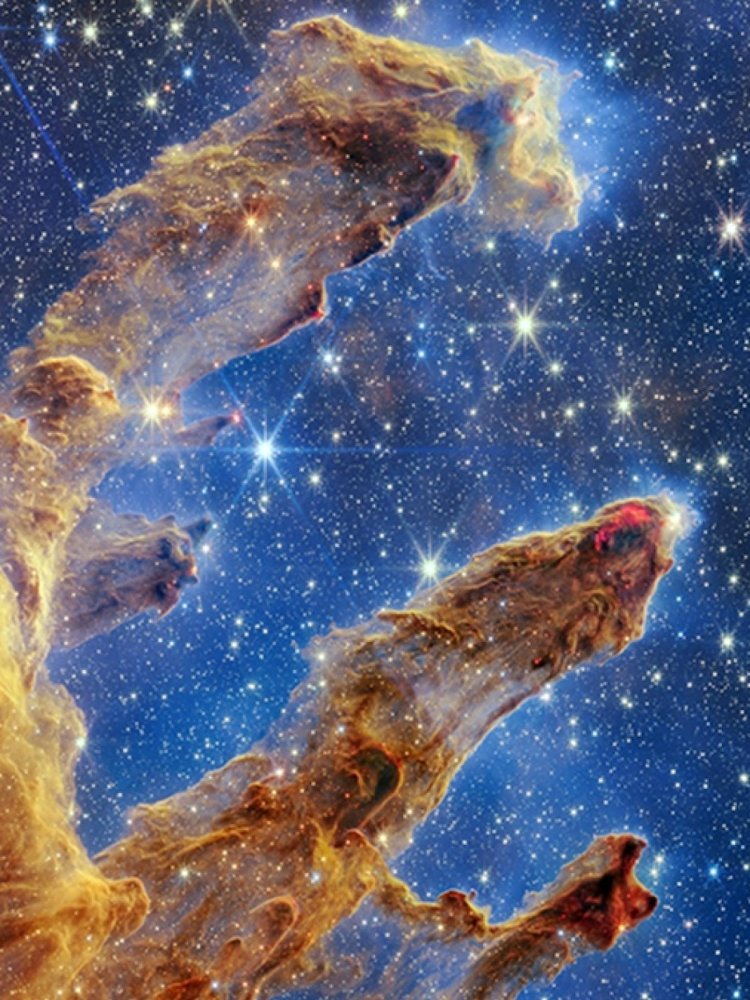
What makes the Eagle Nebula so special is that we can watch stellar birth happening in real-time (astronomically speaking). The pillars are being carved by intense radiation and stellar winds from nearby hot stars, while simultaneously providing the raw materials for new star formation. It's like watching cosmic construction and demolition happening simultaneously.
Recent Hubble observations have revealed that these pillars are actually quite fragile. The same stellar radiation that makes them visible is also gradually eroding them away. In a few million years, they may be completely gone, leaving behind only the stars that formed within them.
The Crab Nebula: Death and Rebirth
The Crab Nebula holds a special place in astronomical history because it's the remnant of a supernova explosion that was actually witnessed and recorded by Chinese astronomers in 1054 AD. They called it a "guest star" because it appeared suddenly in the night sky and was so bright it could be seen during the day for several weeks.
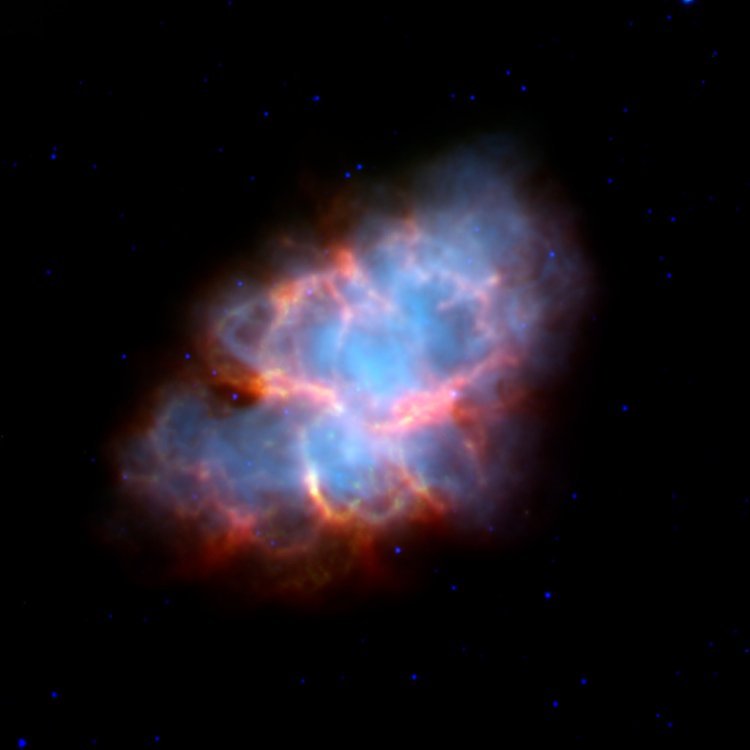
Today, nearly a thousand years later, the Crab Nebula continues to expand outward from that explosive event at a speed of about 1,500 kilometers per second. At its center lies a pulsar – a rapidly spinning neutron star that acts like a cosmic lighthouse, sweeping beams of radiation across space 30 times per second.
This nebula perfectly demonstrates the cosmic recycling process. The star that exploded scattered heavy elements created in its core throughout the surrounding space. These elements – carbon, oxygen, iron, and others essential for rocky planets and life itself – are now part of the interstellar medium, waiting to be incorporated into future generations of stars and planets.
The Role of Modern Telescopes
Our understanding of nebulae has been revolutionized by space telescopes like Hubble and the recently launched James Webb Space Telescope. Hubble's visible light images show us the stunning colors and intricate structures of nebulae, while Webb's infrared vision can peer through dust clouds to reveal hidden star formation regions.
The Webb telescope has been particularly revelatory for nebula studies because many of the processes involved in star formation happen behind thick veils of dust that block visible light. Webb's infrared eyes can see right through these cosmic curtains, revealing the stellar nurseries hidden within.
Nebulae and the Future of Life
Perhaps most remarkably, recent observations have shown that nebulae are cosmic chemistry laboratories, synthesizing complex organic molecules under conditions once thought impossible. Planetary nebulae, in particular, have been found to contain aromatic hydrocarbons and other organic compounds that might serve as building blocks for life.
This discovery suggests that the ingredients for life might be more widespread throughout the universe than previously thought. Every time a star dies and creates a planetary nebula, it's potentially seeding the galaxy with organic molecules that could eventually find their way into new planetary systems.
A Living Universe
When you look up at the night sky and spot the Orion Nebula with your naked eye – appearing as the fuzzy middle "star" in Orion's sword – you're looking at a star factory that's been creating new suns for millions of years. You're witnessing cosmic recycling on the grandest scale, where the death of ancient stars provides the raw materials for new generations of stellar systems.
Nebulae remind us that our universe is not a static, unchanging place, but a dynamic, living entity where creation and destruction dance together in an endless cosmic ballet. The calcium in our bones, the iron in our blood, and the oxygen we breathe were all forged in the nuclear furnaces of ancient stars and scattered through space by the very nebulae we admire today.
These magnificent cosmic clouds are not just pretty pictures in astronomy textbooks – they're the wombs and tombs of stars, the sculptors of galactic evolution, and ultimately, the reason we exist. Every nebula tells a story that spans millions of years and connects us directly to the stars themselves. In studying these ethereal clouds of gas and dust, we're not just learning about distant objects in space – we're discovering our own cosmic heritage written across the heavens in light and shadow, birth and death, creation and destruction.
The next time you see an image of a nebula, remember: you're looking at both a nursery where stars are being born and a monument to stars that have died, all wrapped up in some of the most beautiful displays the universe has to offer. These cosmic clouds are proof that in space, even death can be breathtakingly beautiful, and from destruction comes the promise of new creation.