The Hubble Space Telescope: Humanity's Greatest Eye on the Universe
 admin
admin
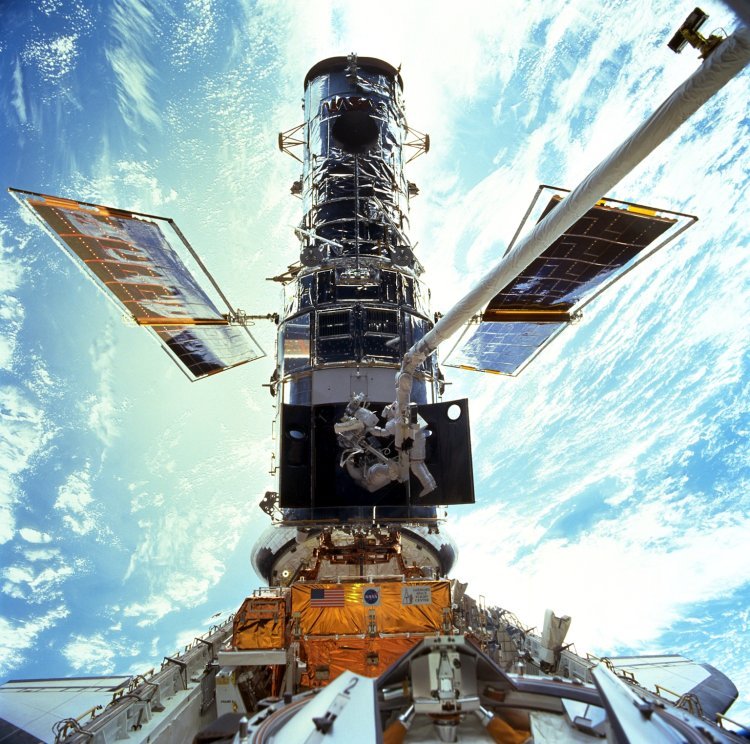
For over three decades, one remarkable machine has fundamentally transformed our understanding of the cosmos. Orbiting 340 miles above Earth at 17,000 miles per hour, the Hubble Space Telescope has captured images so stunning and discoveries so profound that they've literally rewritten astronomy textbooks. From revealing the age of the universe to discovering that supermassive black holes lurk at the center of most galaxies, Hubble has been humanity's window into the infinite.
A Dream Decades in the Making
The concept of a space-based telescope dates back to 1923, when German rocket pioneer Hermann Oberth first proposed the idea. The vision was simple yet revolutionary: place a telescope above Earth's turbulent atmosphere to achieve unprecedented clarity and access to wavelengths of light blocked by our protective atmospheric blanket.
NASA formally began pursuing this ambitious project in the 1970s, culminating in what would become the most expensive science mission in NASA history - costing approximately $11.3 billion in 2015 dollars when including all subsequent servicing costs. The technical specifications pushed industrial standards of precision, innovation, and design beyond previous benchmarks of excellence.
Launch and Early Challenges
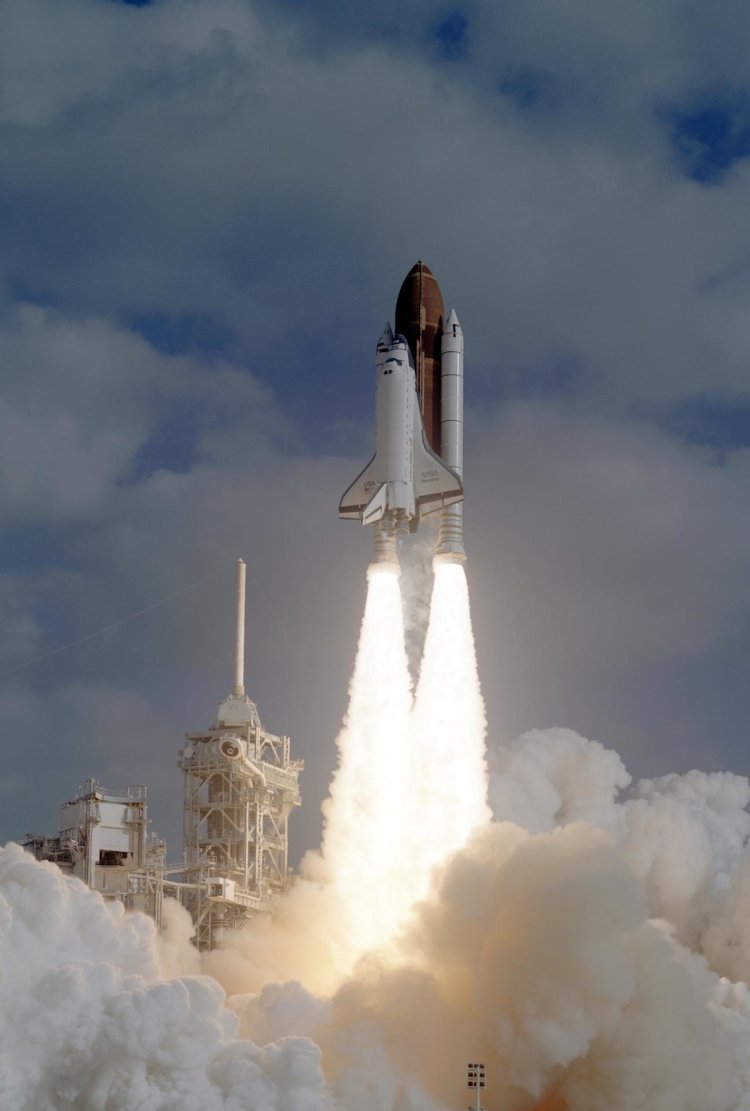
Space Shuttle Discovery launching in 1990 to deploy the Hubble Space Telescope into orbit.
But triumph quickly turned to concern. Within weeks of deployment, astronomers discovered that Hubble's primary mirror had been ground incorrectly, causing spherical aberration that made the telescope produce fuzzy images. The $1.6 billion instrument seemed destined for failure, with some critics calling it a "techno-turkey".
However, Hubble's engineers had brilliantly designed the telescope to be serviceable. Its large body featured handrails for astronauts to perform maintenance and modular components to facilitate upgrades. This foresight would prove to be the telescope's salvation.
The Great Repair: Servicing Mission 1
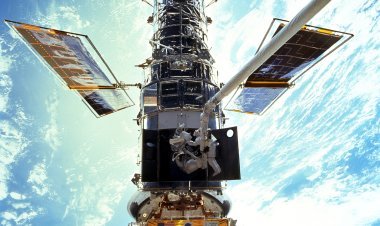
On December 2, 1993, seven astronauts aboard Space Shuttle Endeavour launched on one of the most crucial missions in NASA history. Over five grueling spacewalks totaling more than 35 hours, they installed the Corrective Optics Space Telescope Axial Replacement (COSTAR) unit - essentially giving Hubble a new pair of glasses.
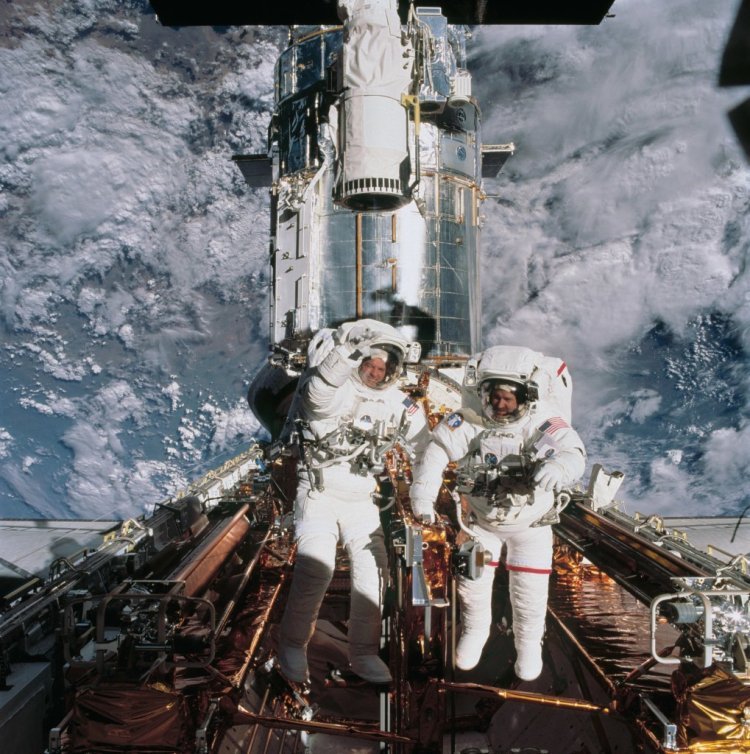
Astronauts conducting a spacewalk to service the Hubble Space Telescope in orbit above Earth .
The repair was an astounding success. Hubble's vision was restored, and the telescope began producing the sharp, breathtaking images that would make it famous worldwide. This first servicing mission demonstrated that complex repairs could be performed in the harsh environment of space, setting the stage for four more successful servicing missions over the following decades.
Revolutionary Discoveries That Changed Astronomy
The Age and Expansion of the Universe
Before Hubble, estimates of the universe's age disagreed by enormous margins - ranging from 10 to 20 billion years. By precisely measuring distances to Cepheid variable stars in distant galaxies, Hubble constrained the value of the Hubble constant with unprecedented accuracy, revealing that the universe is approximately 13.8 billion years old.
Even more shocking was Hubble's contribution to discovering that the universe's expansion is actually accelerating, driven by a mysterious force scientists call "dark energy". This discovery earned the 2011 Nobel Prize in Physics and revolutionized our understanding of cosmic evolution.
Supermassive Black Holes
Hubble provided the first definitive evidence that supermassive black holes are common features at the centers of galaxies. By measuring the orbital velocities of stars and gas near galactic centers, Hubble revealed these cosmic monsters containing millions to billions of times the mass of our Sun.
Exoplanet Atmospheres
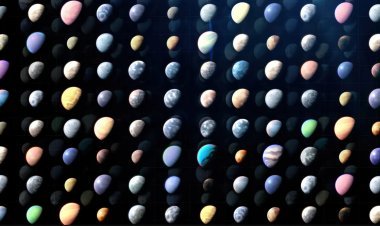
Hubble made the first measurements of atmospheres around planets orbiting other stars, opening an entirely new field of exoplanet science. By analyzing how starlight filters through these distant worlds' atmospheres, Hubble began the search for potentially habitable worlds beyond our solar system.
The Pillars of Creation and Iconic Imagery
Perhaps no single image has captured the public imagination quite like Hubble's 1995 photograph of the "Pillars of Creation" in the Eagle Nebula. These towering columns of gas and dust, stretching several light-years tall, represent stellar nurseries where new stars are being born.
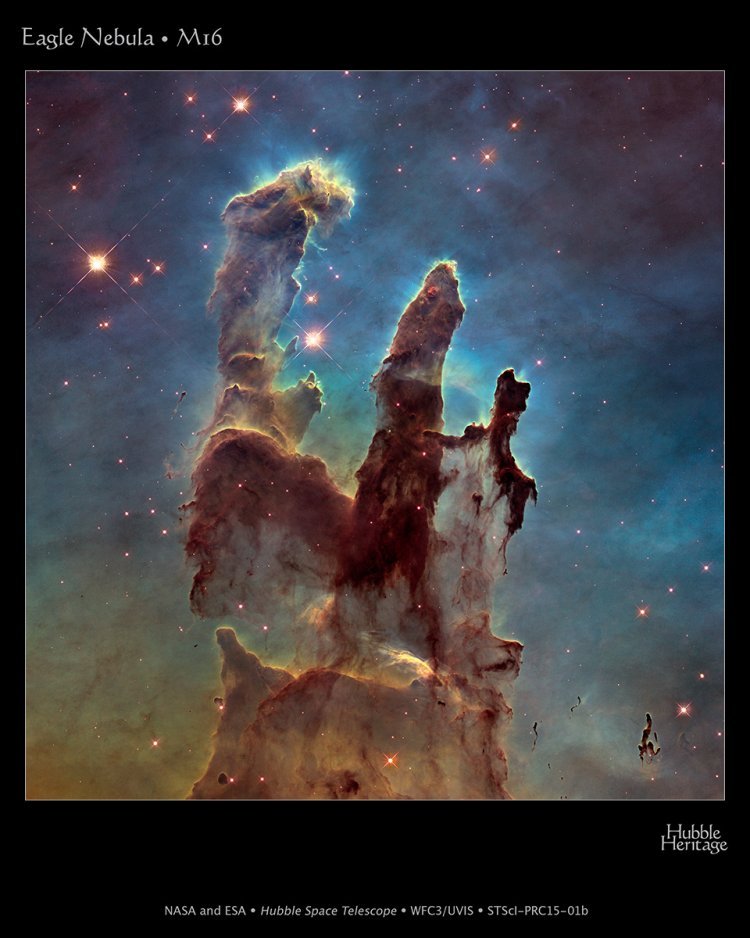
The Eagle Nebula's 'Pillars of Creation' captured in stunning detail by the Hubble Space Telescope, showcasing star-forming regions within interstellar gas clouds.
The image, composed of 32 different exposures using different color filters, revealed the intricate structures within star-forming regions with unprecedented detail. Hubble revisited this cosmic masterpiece in 2014, producing an even sharper, wider view that allowed astronomers to study how these structures change over time.
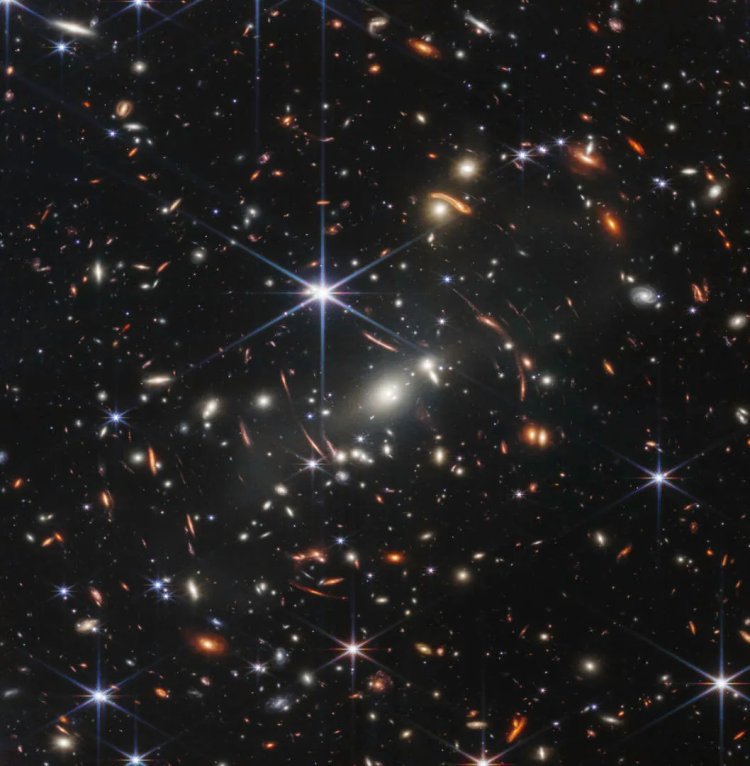
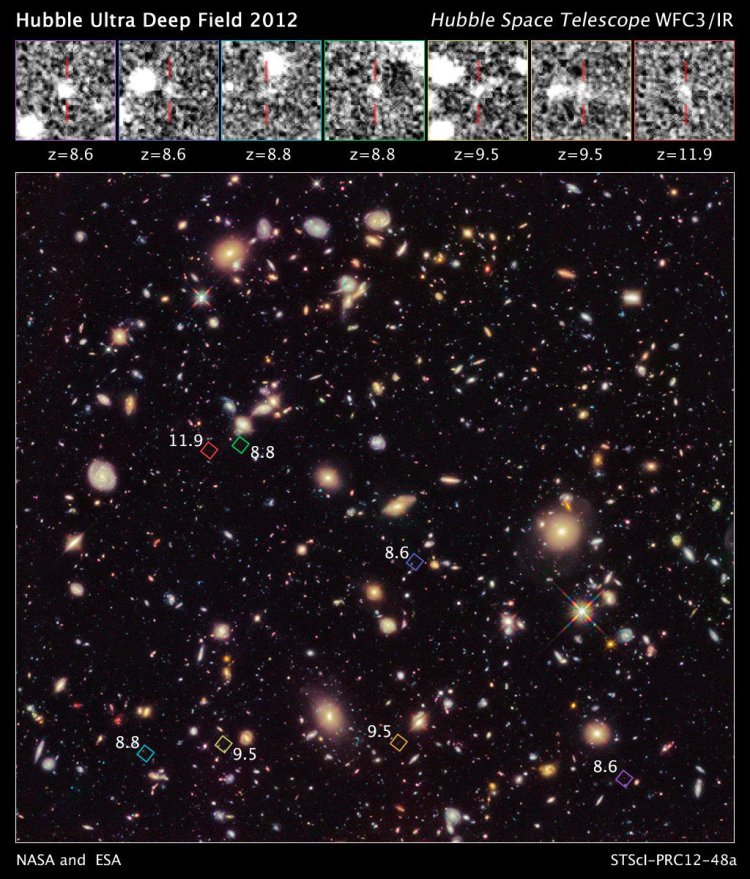
Deep Field: Looking Back in Time
Five Servicing Missions: Keeping Hubble Alive
Hubble's longevity stems from five successful servicing missions between 1993 and 2009, during which astronauts performed what amounted to "brain surgery in boxing gloves". These missions replaced nearly every major component except the telescope's mirrors and outer skin.
The final servicing mission in 2009 (SM4) was particularly crucial, as it was certain to be the last with the Space Shuttle program ending. Astronauts installed the Wide Field Camera 3 and Cosmic Origins Spectrograph, repaired the Advanced Camera for Surveys and Space Telescope Imaging Spectrograph, and replaced all gyroscopes with improved versions.
The repairs were so effective that some instruments have now operated more than twice as long without servicing than they had achieved before SM4. One gyroscope has been running continuously for 15 years, completing over 9 trillion revolutions.
Current Capabilities and Instruments
Today, Hubble carries a sophisticated suite of instruments that analyze light from across the electromagnetic spectrum:
Wide Field Camera 3 (WFC3): The telescope's primary imager, capable of observing in ultraviolet, visible, and near-infrared wavelengths with 35 times better UV sensitivity than its predecessor.
Advanced Camera for Surveys (ACS): Optimized for broad imaging campaigns and surveys of large areas of sky.
Space Telescope Imaging Spectrograph (STIS): Provides high-resolution spectroscopy and can simultaneously obtain spectra from multiple points along a target.
Cosmic Origins Spectrograph (COS): The most sensitive ultraviolet spectrograph ever built, increasing Hubble's UV sensitivity by at least 10 times.
Fine Guidance Sensors (FGS): Not only keep the telescope precisely pointed but can also perform extremely accurate position measurements.
Hubble vs. James Webb: Complementary Visions
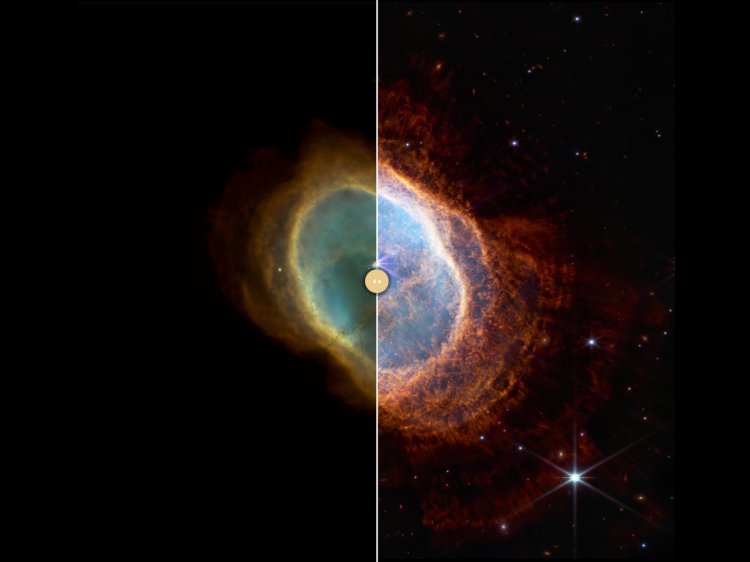
Webb's larger 21.3-foot mirror provides six times more light-gathering power than Hubble's 7.9-foot mirror, enabling it to see objects up to 100 times fainter. However, Hubble's unique ultraviolet capabilities remain unmatched, and its visible-light resolution equals Webb's infrared performance.
This complementary relationship allows astronomers to study the same objects across multiple wavelengths, providing a more complete understanding of cosmic phenomena. Recent collaborative observations of the Pillars of Creation demonstrate how each telescope reveals different aspects of the same cosmic structures.
A Living Legacy
As of 2025, Hubble continues operating with remarkable productivity, making new discoveries and capturing breathtaking images that inspire millions worldwide. The telescope has published over 10,000 scientific papers and made its millionth observation in 2011.
Its longevity has allowed astronomers to observe changes across the universe over more than three decades: seasonal variations on planets in our solar system, black hole jets traveling at nearly light speed, stellar explosions, asteroid collisions, and expanding supernova bubbles.
The Impact Beyond Science
Hubble's influence extends far beyond the scientific community. Its images have become cultural icons, appearing in art galleries, inspiring countless students to pursue careers in science, and fundamentally changing how humanity views its place in the cosmos.
The telescope has democratized astronomy, making the beauty and wonder of the universe accessible to everyone through its publicly available images and data. Every week, Hubble continues to capture new images that are freely shared with the world, maintaining its role as humanity's shared window into the infinite.
Looking to the Future
While Hubble is expected to remain operational through at least the mid-2020s, its eventual deorbit is inevitable. However, its legacy is secure - not only in the revolutionary discoveries it has made but in how it has inspired the next generation of space telescopes.
The Webb telescope, with its advanced infrared capabilities, builds directly on Hubble's foundation. Future missions like the Nancy Grace Roman Space Telescope will continue Hubble's work in visible and near-infrared wavelengths, ensuring that humanity's exploration of the cosmos continues.
Hubble has taught us that we live in a universe far stranger, more beautiful, and more dynamic than we ever imagined. From revealing that nearly every galaxy harbors a supermassive black hole to showing us galaxies as they existed when the universe was young, Hubble has fundamentally transformed our understanding of cosmic evolution.
As this remarkable machine continues its silent vigil 340 miles above Earth, it serves as a testament to human ingenuity, curiosity, and our relentless desire to understand our place in the vast cosmos. For over three decades, Hubble has been our ambassador to the stars, and its greatest discoveries may still lie ahead in the vast, unexplored depths of space and time.